
The Enduring Appeal of Clay Bricks
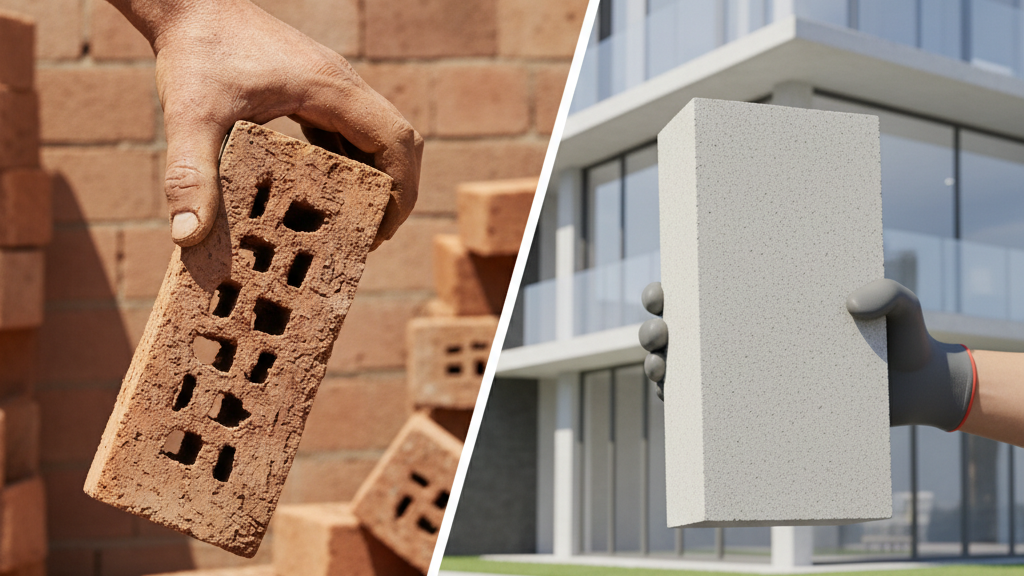
Clay bricks have been the backbone of Indian construction for centuries. Their familiarity, compressive strength, and compatibility with traditional masonry techniques make them a default choice for many builders. Despite advancements in alternative walling materials like FlyAsh Blocks, clay bricks retain dominance due to deeply ingrained construction practices.
Challenges in Adopting Modern Alternatives
Modern alternatives such as FlyAsh Blocks offer advantages in thermal efficiency, weight reduction, and installation speed. Yet, adoption faces resistance due to:
- Unfamiliarity with new material handling techniques
- Skilled labour shortages in thin-bed adhesive application
- Misconceptions about structural performance
Cost Considerations and Budget Constraints
While FlyAsh Blocks may reduce plaster consumption and accelerate construction timelines, their upfront material cost often appears higher than clay bricks. Many small-scale builders prioritise immediate material expenses over long-term savings in labour and energy efficiency.
Availability and Supply Chain Issues
Clay brick kilns exist in nearly every district, ensuring local availability. In contrast, modern walling materials require specialised manufacturing and logistics. Rural projects particularly face challenges in consistent supply of alternatives.
Cultural and Aesthetic Preferences
The distinctive red hue of clay bricks carries cultural significance in many regions. Architects often specify them for heritage-inspired designs, despite alternatives offering superior thermal performance in India’s extreme climates.
Perceived Durability and Longevity
IS 1077:1992 specifies a minimum compressive strength of 3.5 N/mm² for common burnt clay bricks, creating a benchmark that builders trust implicitly.
Generations of structures built with clay bricks reinforce perceptions of longevity, though properly installed FlyAsh Block masonry meets IS 2185-3 requirements with enhanced earthquake resistance.
Regulatory and Compliance Hurdles
While the National Building Code recognises modern walling systems, local approval authorities often default to clay brick standards. This creates unnecessary compliance barriers for alternative materials that actually exceed many performance parameters.
The Future of Brick Adoption in Construction
As urban projects prioritise speed and sustainability, FlyAsh Blocks gain traction through:
- Improved contractor education programmes
- Demonstration projects proving real-world performance
- Energy code requirements favouring high-insulation materials
The transition will remain gradual, with clay bricks maintaining rural dominance until supply chains and skill development catch up with material innovations.